
Maintenance Strategy & Consultancy
Strategy that survives contact with a night shift.
Practical consultancy from people who have run engineering functions, not just audited them. Structure, standards and improvement that hold up when the plan meets the plant.
What we find on most sites
- A strategy that assumes time, data and staffing the site does not have
- PM schedules nobody completes, producing compliance figures that lie
- Improvement programmes that stall as soon as priorities shift
- KPIs that can be improved without improving the plant
- Analysis that was correct and still changed nothing on shift
What you are left with
- PM schedules built from OEM guidance and real failure history
- Schedules sized against the labour you actually have
- Improvements sequenced so each one funds the next
- KPIs that reflect what engineers can control
- A strategy the people on shift can actually execute
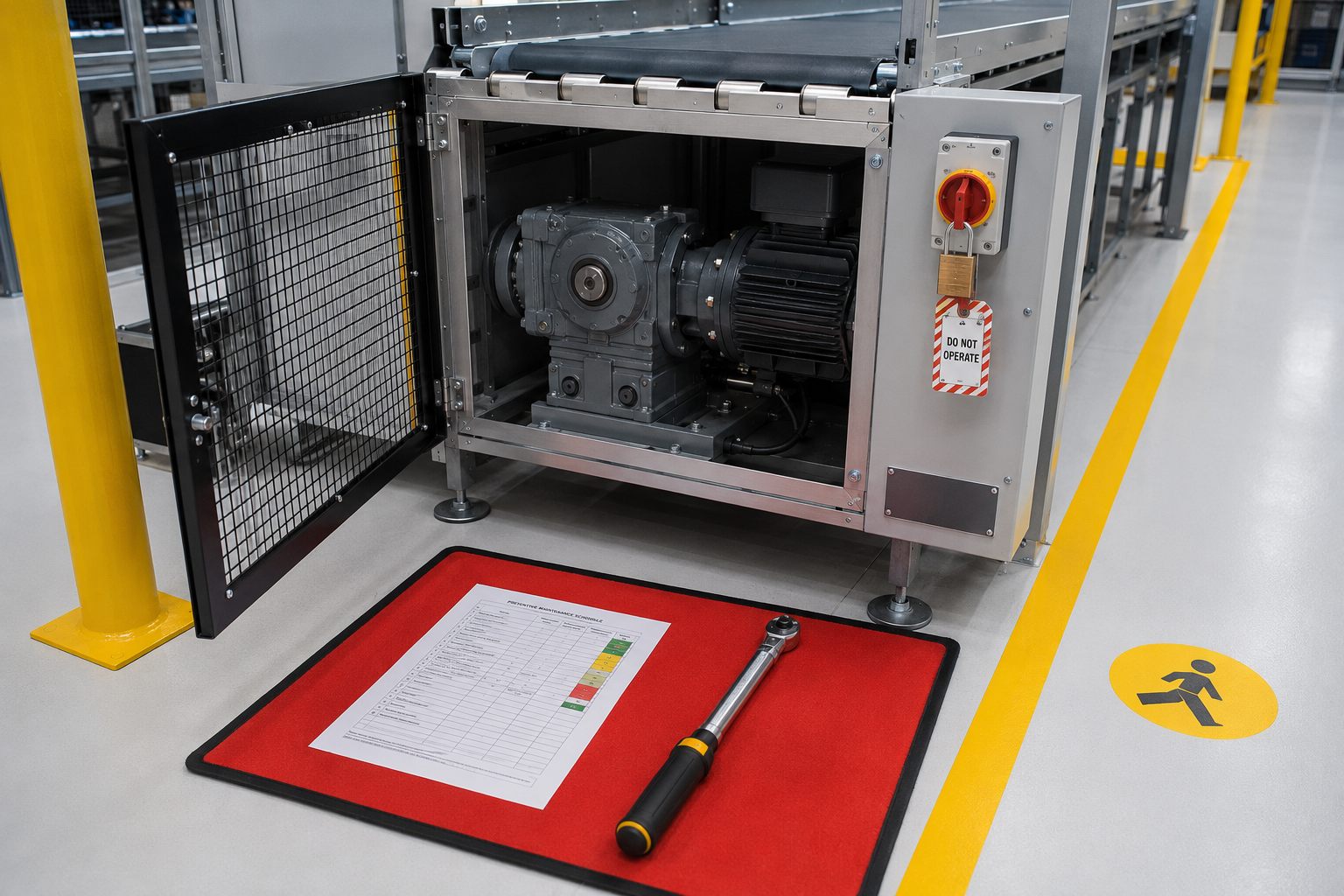
PM schedules that get done
Built from OEM guidance and your own failure history, then sized against the labour you actually have. A schedule nobody completes is worse than no schedule, because it produces compliance figures that lie.
Continuous improvement that compounds
Small, sequenced changes with the result measured each time, rather than a single large programme that stalls when priorities shift. The point is momentum: each improvement should make the next one cheaper.
KPIs engineers respect
Measures that reflect what engineers can control and that make the right behaviour the easy behaviour. If a metric can be improved without improving the plant, it will be.
Common questions
What makes a maintenance strategy actually work?
Being executable by the people on shift. Most strategies fail not because the analysis was wrong but because they assume time, data and staffing the site does not have.
We build PM schedules from OEM guidance and real failure history, set KPIs engineers will not game because they can see the point of them, and stage improvements so each one funds the next.
Do you do the work or just write the report?
Both, and we would rather do the work. A report that ends at recommendations tends to end up in a drawer — implementation support is where the value is.
Will this integrate with our part repair route?
Directly. Failure history from repairs feeds PM planning, and PM planning changes what fails. Running both through one point of contact is a large part of why the network exists.
Tell us about your site.
No call centres and no account managers reading a script. You will hear back from a founder.
The rest of the network
Six disciplines, one contract, one point of contact. Most sites start with one and pull in the others as they go.