
Case study · Bespoke R&D
Closed-loop testing for a problem control board
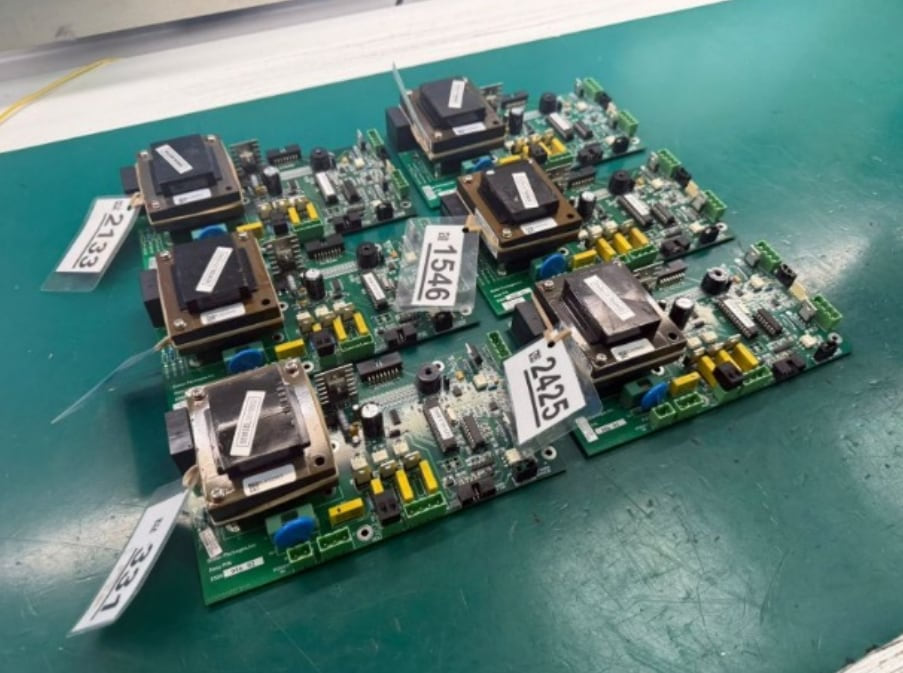
A control board failing repeatedly across multiple fulfilment centres had no dedicated test method. Building one fixed the repair quality problem.
- E-commerce fulfilment Sector
The challenge
Repairs that would not stay repaired
A specific control board was failing repeatedly across several UK fulfilment centres. With no dedicated way to test it, diagnosis was slow and — more damagingly — validating a repair was largely guesswork.
That produced the worst outcome in repair work: units going back into service and failing again. Boards were lost unnecessarily, costs climbed, and confidence in the repair route eroded.
What was done
A closed-loop rig, built around the actual board
An R&D team designed and built a closed-loop test rig specifically for this board. It replicates the conditions the board sees in service, so engineers can reproduce the recurring fault deliberately instead of waiting to see whether it comes back.
The rig then became a gate in the workflow rather than a diagnostic tool used occasionally. Every board is functionally tested under realistic load before it is released.
- Recurring faults reproduced accurately rather than inferred
- Component-level repair targeted at the confirmed fault
- Every unit functionally tested under realistic load conditions before release
- Validation built into the workflow as a release gate, not an optional step
The outcome
Repeatable repairs, and fewer boards scrapped
Repaired boards now perform as expected in live systems. Unnecessary scrappage fell because effective diagnosis separates genuinely dead boards from ones that had simply never been tested properly, and the fulfilment centres get a steady flow of validated units back.
The rig was built around one customer's recurring problem, which is the point — a general-purpose test bench would not have caught this fault.
The takeaway
If repaired units keep coming back, the repair is not the problem. The absence of a realistic test is.
About this case study. The repair work described here was carried out by our vetted repair partners, not by Site Support Group directly. We hold the customer relationship and coordinate the job end to end, from collection through to the unit going back on your shelf.
We do not name customers in our marketing, which is normal practice on this kind of work — the equipment, the fault and the result are described in full.
Recognise the problem?
If any of this sounds like your site, it is worth a conversation. Most of these started with someone asking whether a shelf of dead units was worth a second look.
More case studies
Scanners
Recovering a scanner fleet written off as scrap
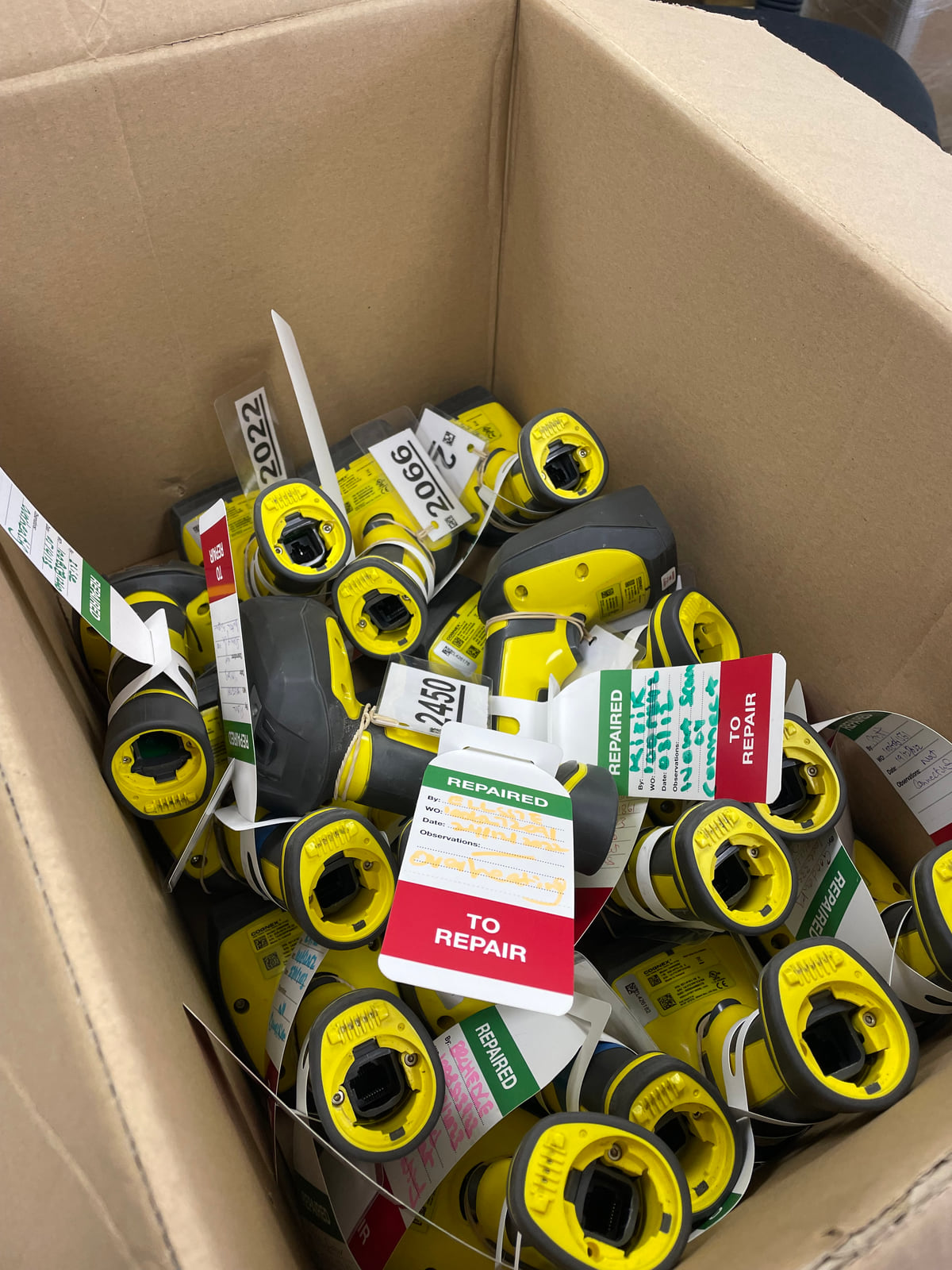
A backlog of industrial barcode scanners, condemned by a previous provider, was assessed and returned to service instead of replaced.
Read the case study →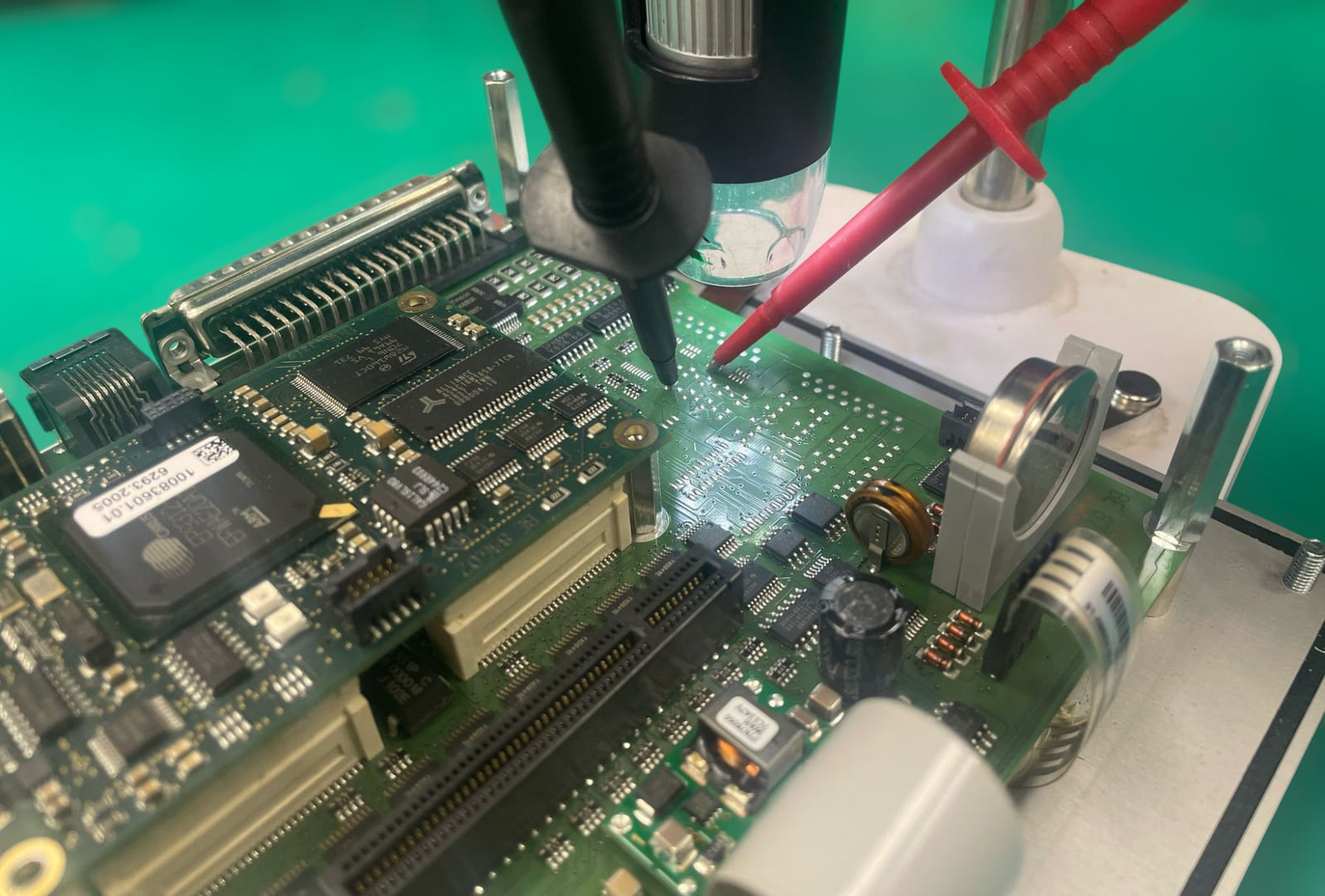
HMI & PLC
Restoring HMIs the market had given up on
Operator interfaces widely labelled unrepairable were recovered at component level, avoiding a forced control system upgrade.
Read the case study →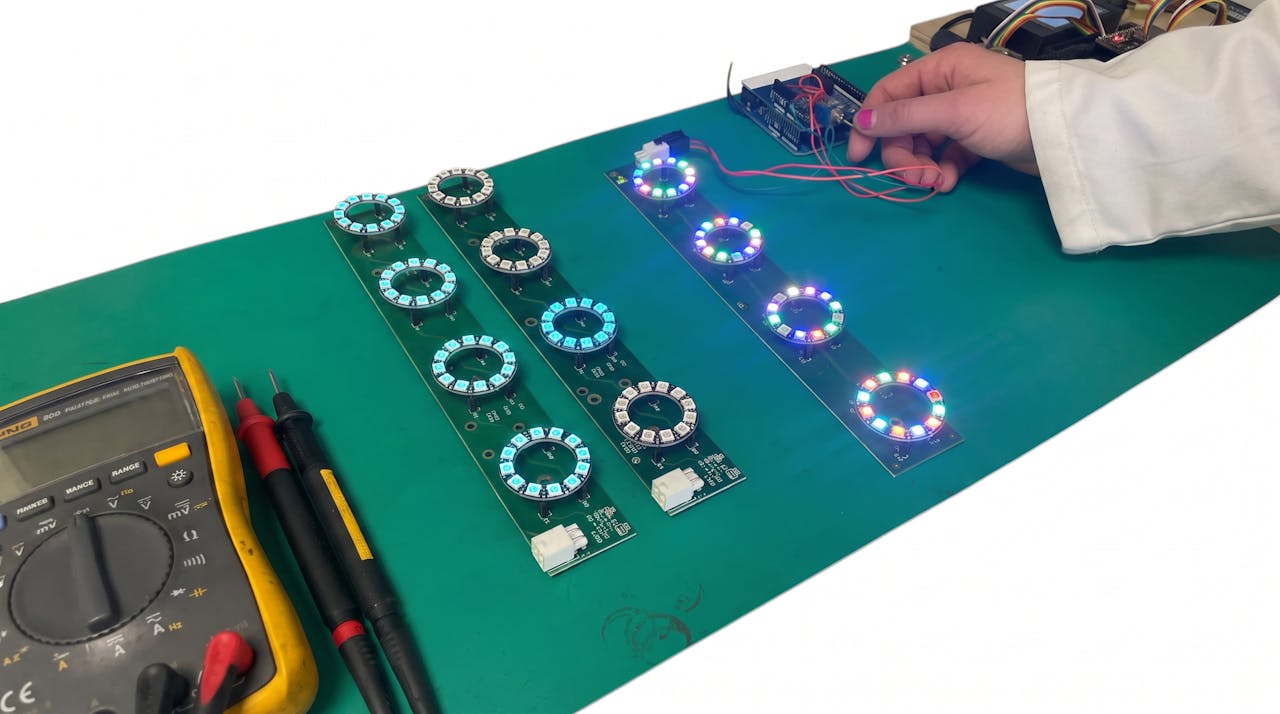
Reliability
£291,000 a year found in the fault data
High-volume repair data revealed the real cause of recurring failures was not hardware at all — and fixing it removed the cost.
Read the case study →