
Case study · Reliability
£291,000 a year found in the fault data
High-volume repair data revealed the real cause of recurring failures was not hardware at all — and fixing it removed the cost.
- Parcel and mail automation Sector
The challenge
The same faults, over and over
Across a long-running, high-volume repair relationship, the same faults kept reappearing across multiple components of the same system. Failures at that consistency and spread are not bad luck and they are not a bad batch — they point at something systemic in the operating environment.
Costs were climbing on both sides of the ledger: the repair spend itself, and the downtime each failure caused. Treating each unit as an isolated job was never going to close that gap.
What was done
Treat the repair history as a dataset
Because every unit had been logged with its fault, its serial and its location, there was a genuine dataset to work with. Analysing it across manufacturing, environmental and operational factors produced an uncomfortable but valuable answer: most of the recurring faults were not hardware failures at all. They correlated with variations in how the equipment was being handled on site.
Shared with the operator's internal quality audit team, that finding turned an open-ended repair bill into a fixable process problem. Both sides then worked the root cause together.
- Failure data analysed across the full repair history, not job by job
- Root cause traced to on-site operating and handling practice rather than component quality
- Targeted changes to operator training, handling procedures and quality control
- Ongoing fault-trend reporting so the effect of each change could be measured
The outcome
£291,000 a year, and fewer interventions
Component failures dropped, repair interventions dropped with them, and the operator recorded a saving of £291,000 a year in repair costs. Reliability improved and equipment lifespan extended, because the units stopped being subjected to what was breaking them.
The wider lesson is about where the value sits. The repairs were necessary, but the analytics were what paid.
- £291,000
- Annual reduction in repair costs
- Root cause
- Traced to handling, not hardware
The takeaway
A repair partner who logs what they find is worth more than one who just fixes things. The pattern across a year of failures is where the money is.
About this case study. The repair work described here was carried out by our vetted repair partners, not by Site Support Group directly. We hold the customer relationship and coordinate the job end to end, from collection through to the unit going back on your shelf.
We do not name customers in our marketing, which is normal practice on this kind of work — the equipment, the fault and the result are described in full.
Recognise the problem?
If any of this sounds like your site, it is worth a conversation. Most of these started with someone asking whether a shelf of dead units was worth a second look.
More case studies
Scanners
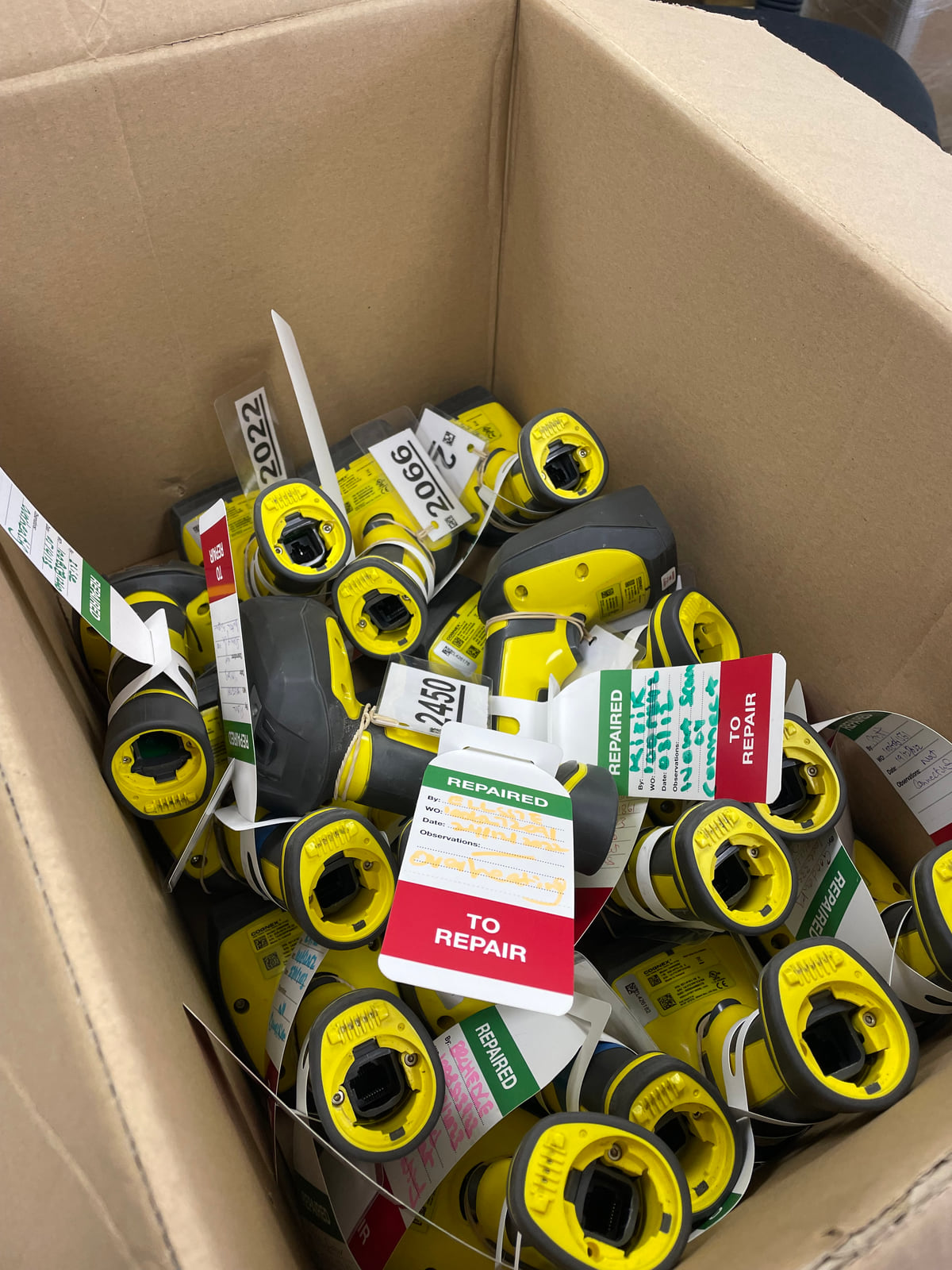
Recovering a scanner fleet written off as scrap
A backlog of industrial barcode scanners, condemned by a previous provider, was assessed and returned to service instead of replaced.
Read the case study →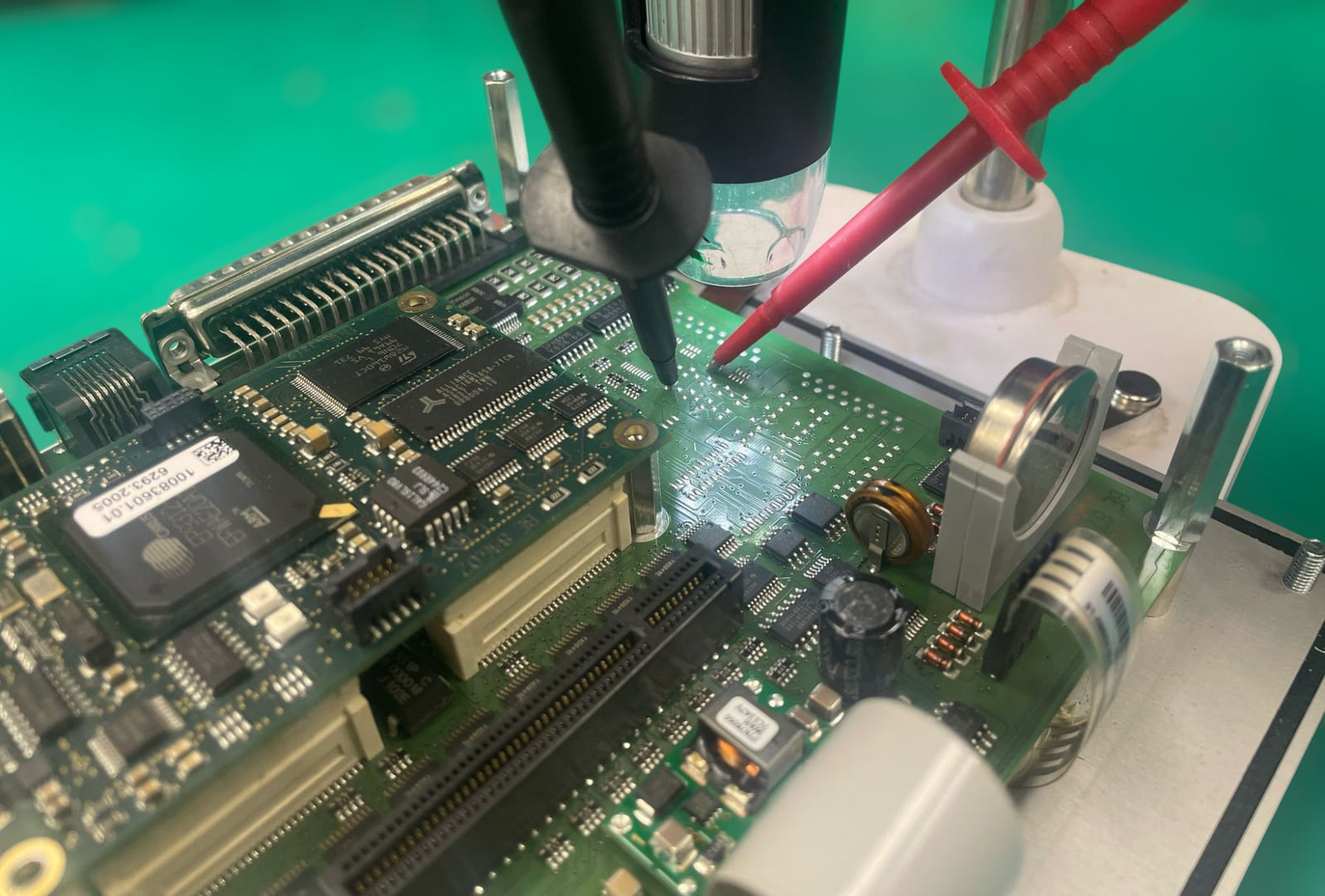
HMI & PLC
Restoring HMIs the market had given up on
Operator interfaces widely labelled unrepairable were recovered at component level, avoiding a forced control system upgrade.
Read the case study →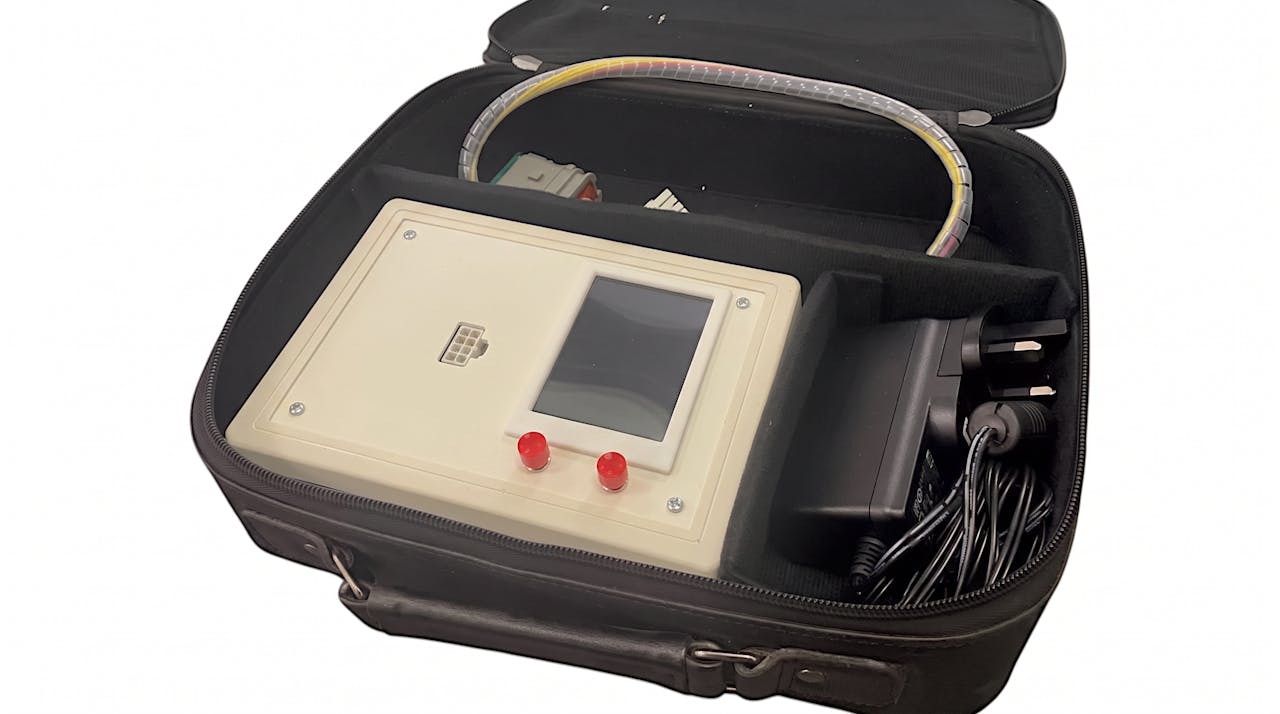
Bespoke R&D
A test rig that made divert switches worth repairing
High-speed sortation divert switches were being replaced wholesale because nothing existed to test them. So a rig was built.
Read the case study →