
Case study · HMI & PLC
Restoring HMIs the market had given up on
Operator interfaces widely labelled unrepairable were recovered at component level, avoiding a forced control system upgrade.
- Automotive manufacturing Sector
The challenge
Unrepairable, and therefore expensive
The operator interfaces on a set of production presses had acquired a reputation across the repair market as unrepairable. Once that view takes hold it becomes self-fulfilling — nobody quotes, so nobody proves otherwise.
For the manufacturer that meant every failure turned into a capital decision. Replacing a panel is never just the panel: it means new hardware, redeveloped screens, and operators retrained on an interface they have used for years. Downtime rose, capital spend rose, and perfectly serviceable hardware went to waste.
What was done
Take each unit on its own evidence
Rather than treating the model as a category, each unit was evaluated individually. That is a slower start and a far better outcome, because "this model is unrepairable" almost always dissolves into four or five distinct faults once you look.
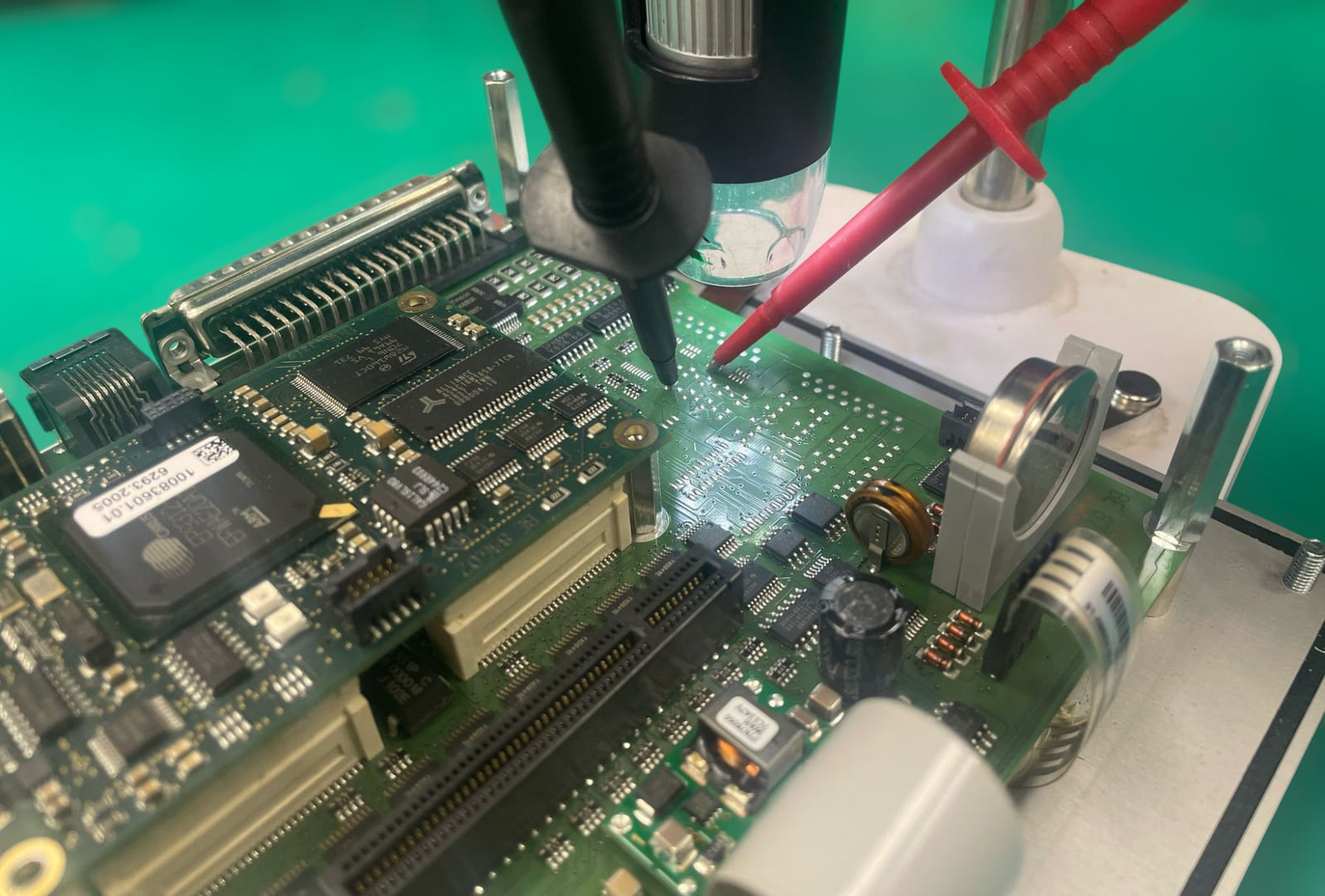
The failures split into display problems, damaged inputs, power section faults and communication IC failures. Each was addressed systematically at component level, with the panel and its existing configuration kept intact.
- Individual evaluation of every unit, instead of a blanket assessment by model
- Component-level repair of display, input, power and communication faults
- Existing configuration retained, so no screen redevelopment and no operator retraining
- No wait for replacement hardware — repaired panels went straight back into the presses
The outcome
Legacy hardware given another service life
Multiple panels were returned to full working condition, which settled the question of whether the model was repairable. The manufacturer extended the life of equipment already written down and kept its production line on the control platform its people know.
There is a sustainability dividend too, and it is not a small one: repairing electronics that already exist beats manufacturing replacements on every measure that matters.
The takeaway
"This model cannot be repaired" is a claim about a repairer, not about a model. It is worth testing before it turns into a capital programme.
About this case study. The repair work described here was carried out by our vetted repair partners, not by Site Support Group directly. We hold the customer relationship and coordinate the job end to end, from collection through to the unit going back on your shelf.
We do not name customers in our marketing, which is normal practice on this kind of work — the equipment, the fault and the result are described in full.
Recognise the problem?
If any of this sounds like your site, it is worth a conversation. Most of these started with someone asking whether a shelf of dead units was worth a second look.
More case studies
Scanners
Recovering a scanner fleet written off as scrap
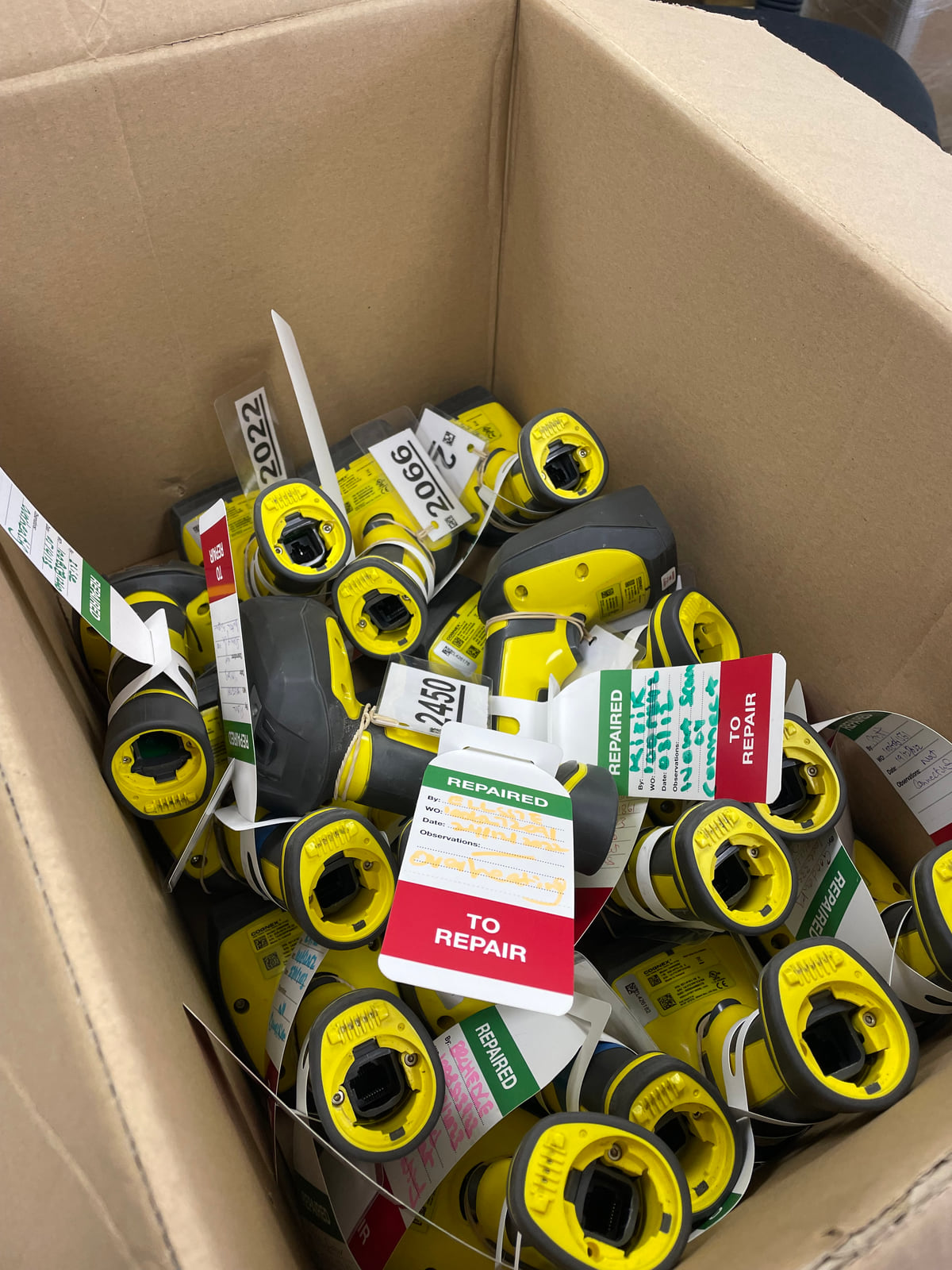
A backlog of industrial barcode scanners, condemned by a previous provider, was assessed and returned to service instead of replaced.
Read the case study →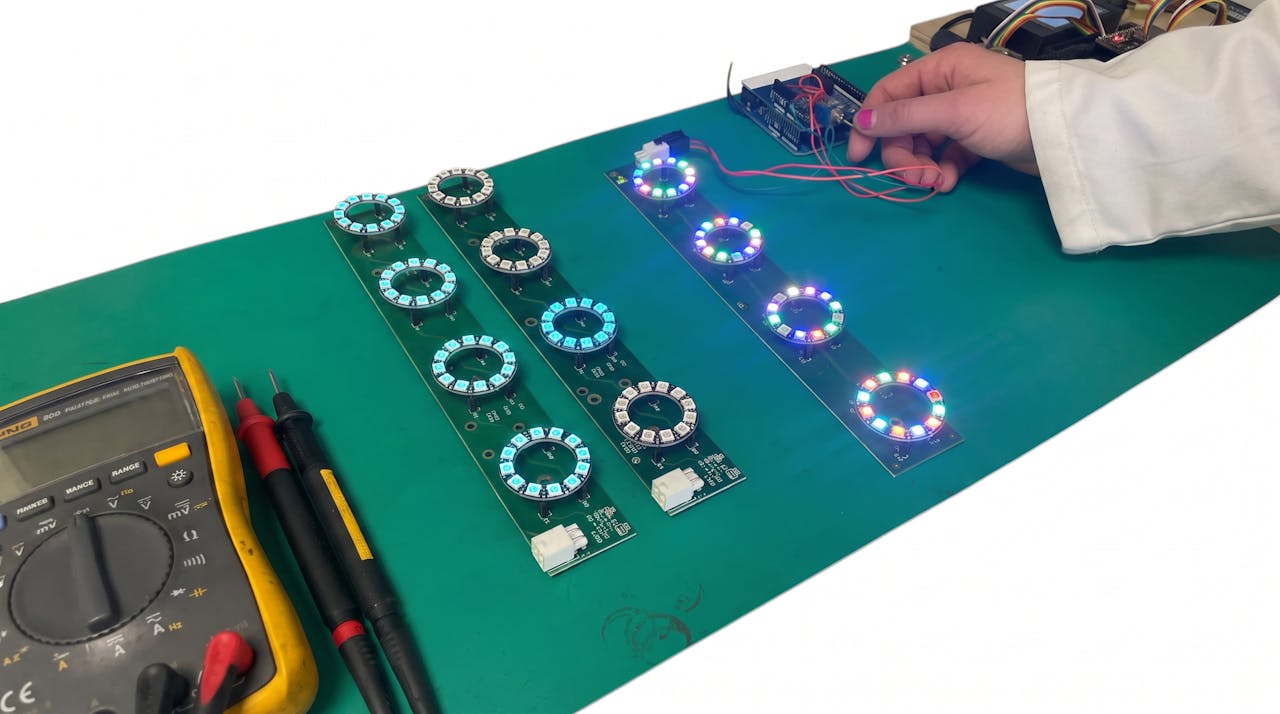
Reliability
£291,000 a year found in the fault data
High-volume repair data revealed the real cause of recurring failures was not hardware at all — and fixing it removed the cost.
Read the case study →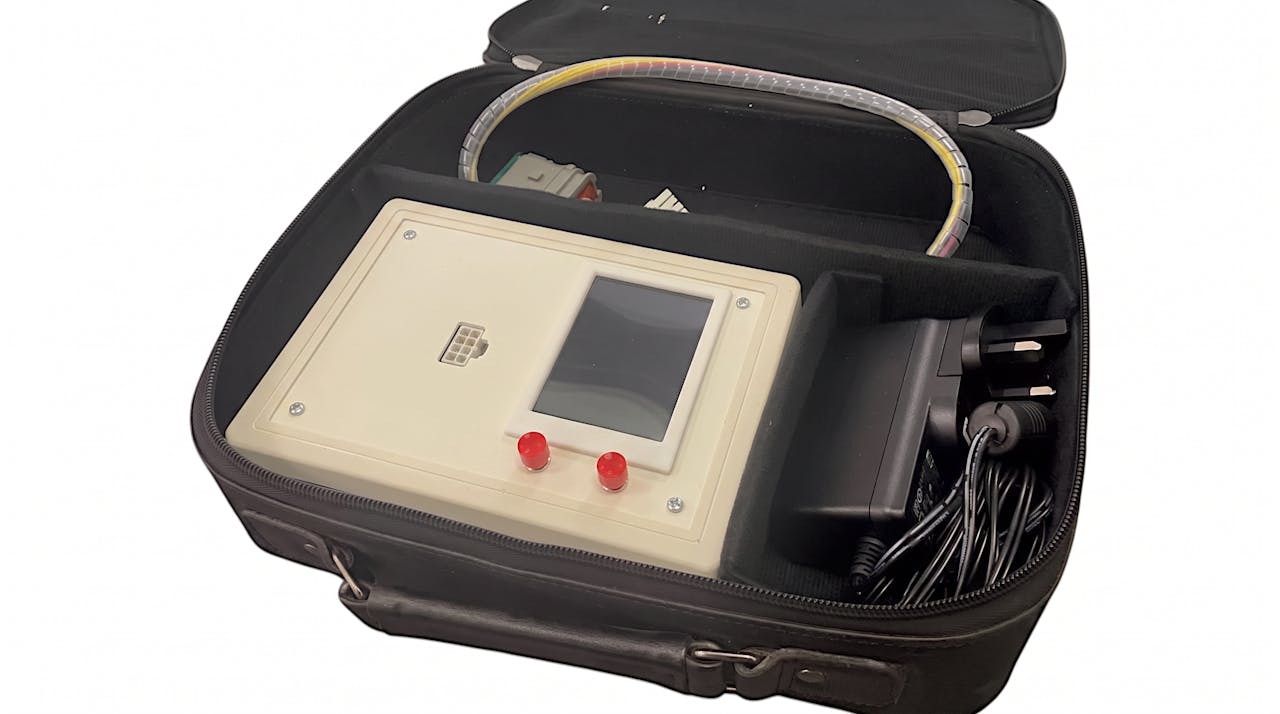
Bespoke R&D
A test rig that made divert switches worth repairing
High-speed sortation divert switches were being replaced wholesale because nothing existed to test them. So a rig was built.
Read the case study →