
Case study · Bespoke R&D
A test rig that made divert switches worth repairing
High-speed sortation divert switches were being replaced wholesale because nothing existed to test them. So a rig was built.
- Parcel sortation Sector
The challenge
Expensive, complex, and untestable
Divert switches steer packages through a high-speed sorting system. They are expensive, mechanically complex, and contain up to four small stepper motors each, any one of which can be the fault.
With no way to test a switch before it failed, maintenance teams had no basis for a repair decision — so they replaced complete units. That was costly, wasteful, and still left them exposed to unplanned breakdowns during peak throughput, which is precisely when a sorter cannot afford to lose a divert.
What was done
Build the missing test method
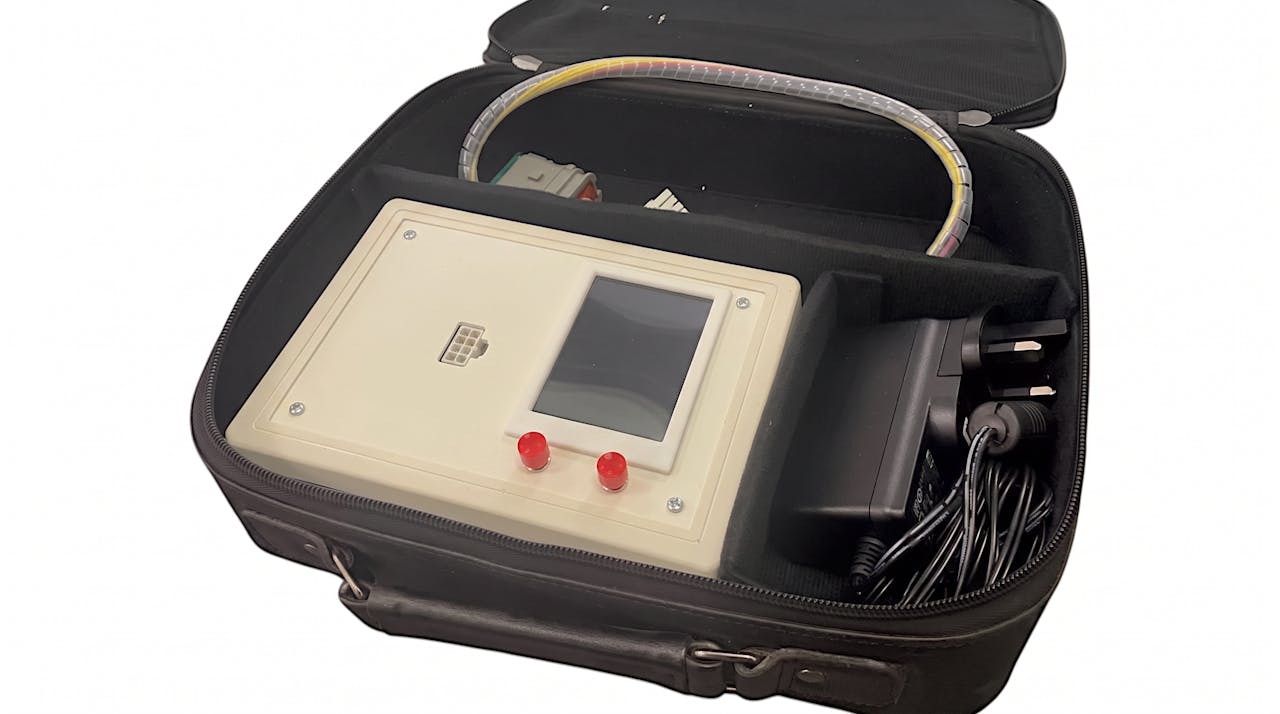
The blocker was not repair capability; it was the absence of a way to assess a unit. A bespoke test rig was designed and built to evaluate each divert switch properly, testing every stepper motor individually to confirm it was operating within parameters.
That single change reframed the whole maintenance approach. Once a switch can be measured, a marginal motor becomes a scheduled repair instead of an unplanned failure.
- Each of the one to four stepper motors per switch tested individually
- Live motor performance monitoring to catch excessive current draw or erratic motion early
- Coil resistance checks and winding health analysis against performance standards
- Early fault detection, allowing intervention before a switch strands a sorter
The outcome
Targeted repairs instead of wholesale replacement
Maintenance teams gained a way to monitor divert switch health and act on it. Premature replacement of serviceable units stopped, maintenance costs fell, and unexpected breakdowns became less frequent — including through peak demand.
The rig has since become a standing part of the operator's preventative maintenance programme rather than a one-off diagnostic exercise.
The takeaway
Sometimes the reason something gets replaced rather than repaired is simply that nobody built the test. That is an engineering problem, and it is solvable.
About this case study. The repair work described here was carried out by our vetted repair partners, not by Site Support Group directly. We hold the customer relationship and coordinate the job end to end, from collection through to the unit going back on your shelf.
We do not name customers in our marketing, which is normal practice on this kind of work — the equipment, the fault and the result are described in full.
Recognise the problem?
If any of this sounds like your site, it is worth a conversation. Most of these started with someone asking whether a shelf of dead units was worth a second look.
More case studies
Scanners
Recovering a scanner fleet written off as scrap
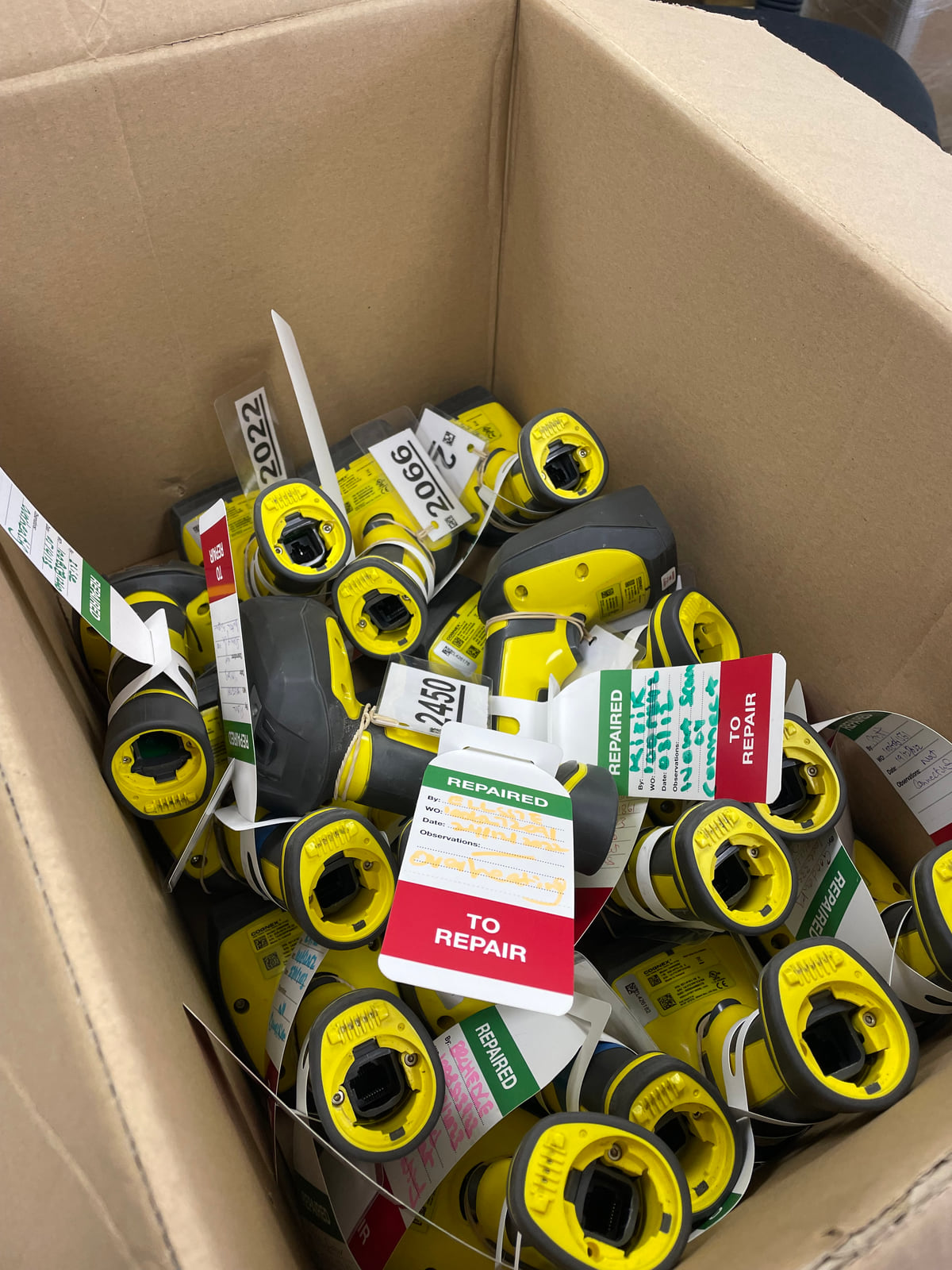
A backlog of industrial barcode scanners, condemned by a previous provider, was assessed and returned to service instead of replaced.
Read the case study →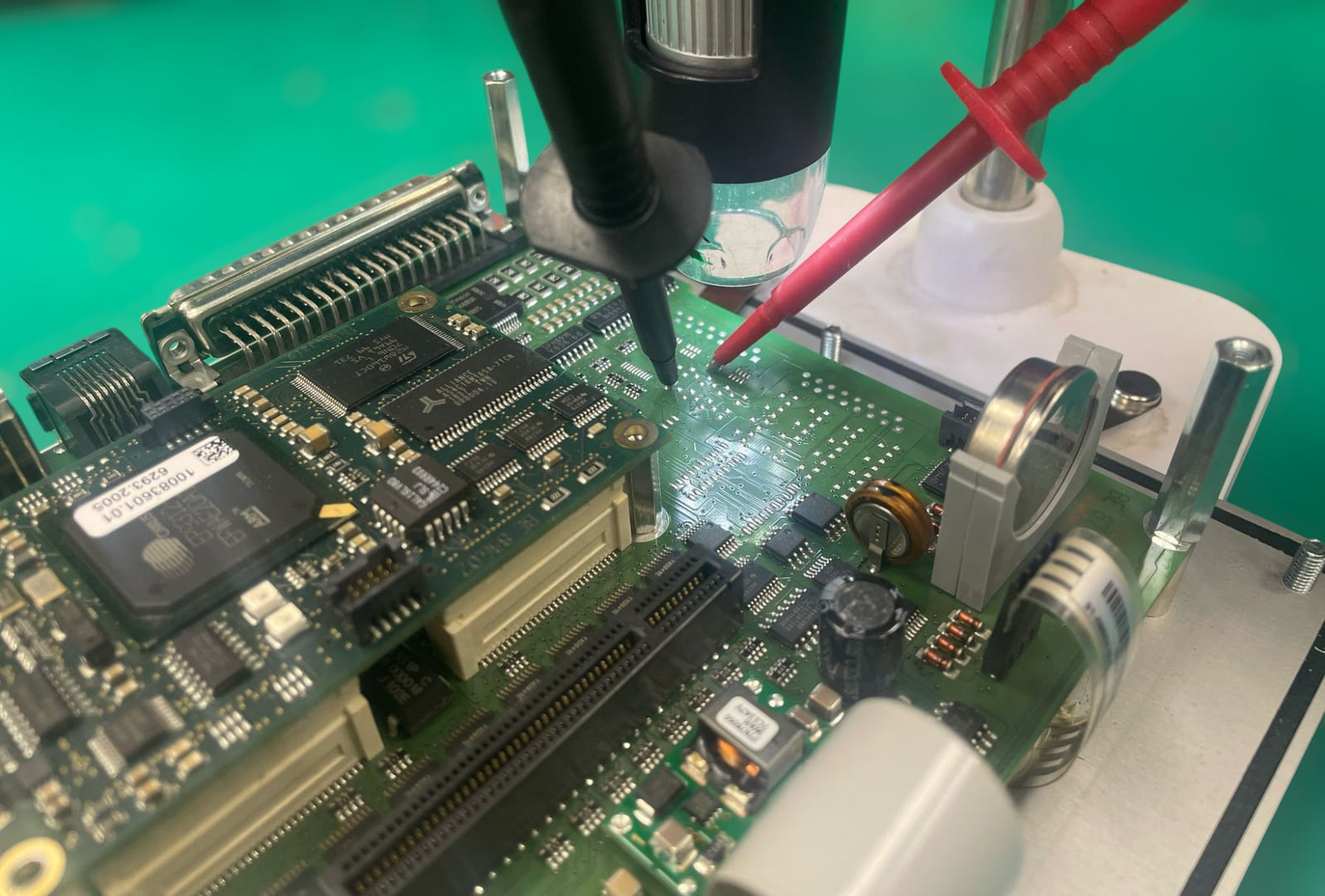
HMI & PLC
Restoring HMIs the market had given up on
Operator interfaces widely labelled unrepairable were recovered at component level, avoiding a forced control system upgrade.
Read the case study →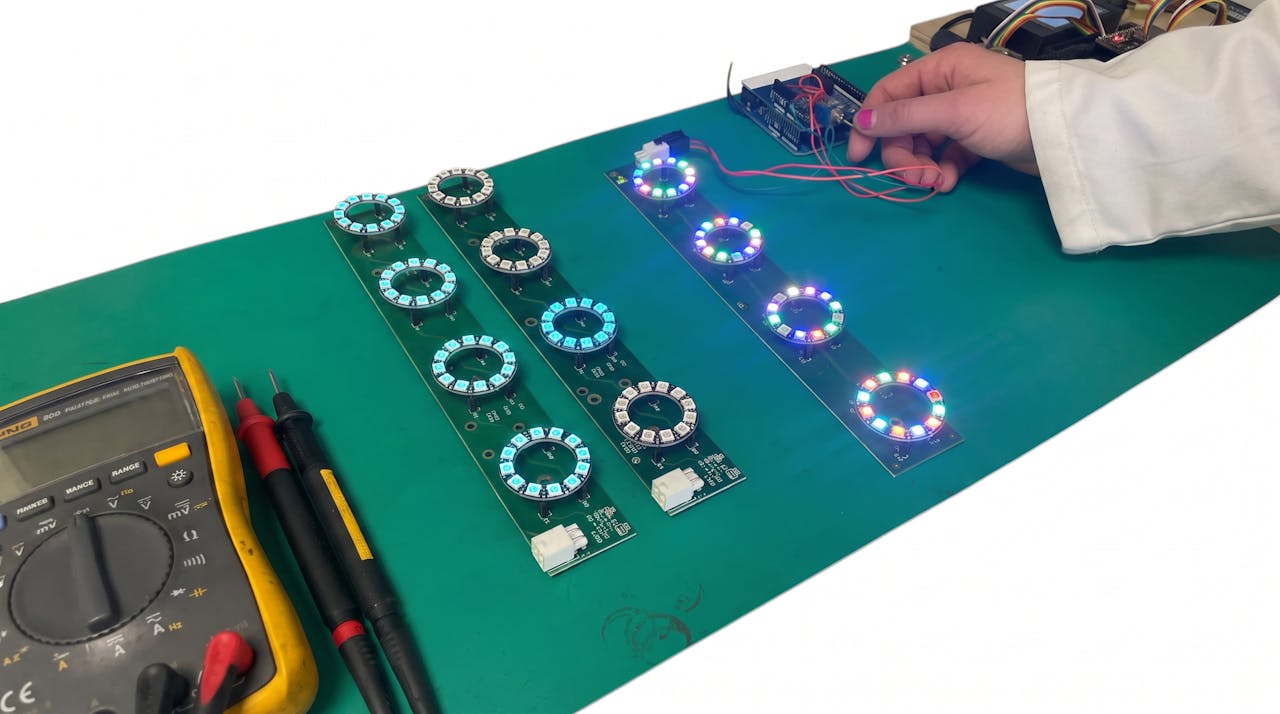
Reliability
£291,000 a year found in the fault data
High-volume repair data revealed the real cause of recurring failures was not hardware at all — and fixing it removed the cost.
Read the case study →