
Case study · Scanners
Recovering a scanner fleet written off as scrap
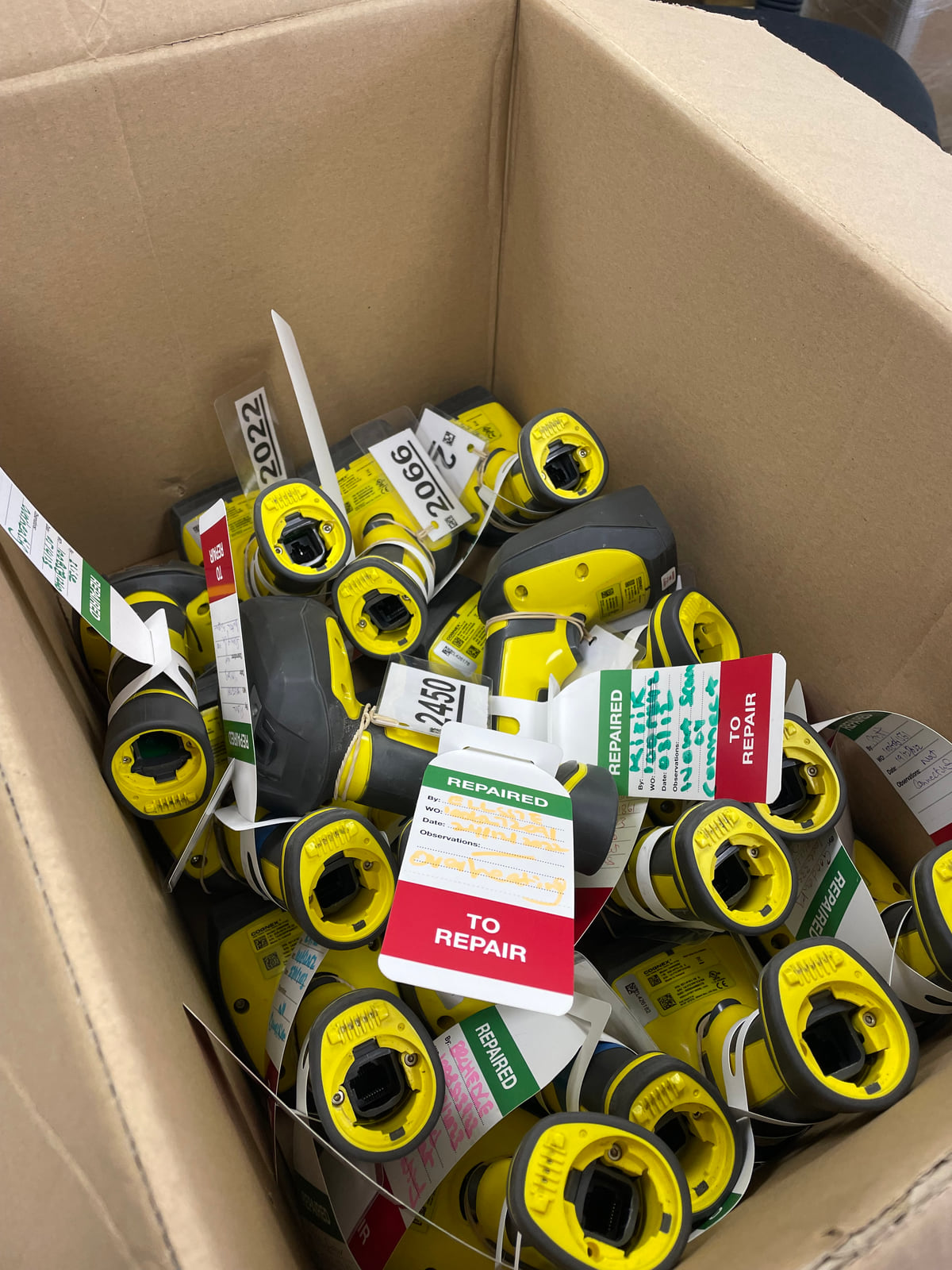
A backlog of industrial barcode scanners, condemned by a previous provider, was assessed and returned to service instead of replaced.
- Automated distribution Sector
The challenge
A shelf of scanners nobody expected to see again
A site visit turned up something the operator had stopped thinking about: a substantial backlog of industrial barcode scanners pulled from the line over time and stacked out of the way. A previous repair provider had assessed many of them and returned a verdict of beyond economical repair.
With that verdict on file, the site had defaulted to buying new. Each replacement carried a lead time as well as a price, so failures were disrupting workflow twice over — once when the scanner failed, and again while its replacement was in transit. The backlog kept growing because nothing ever came off it.
What was done
Assess the batch properly before condemning it
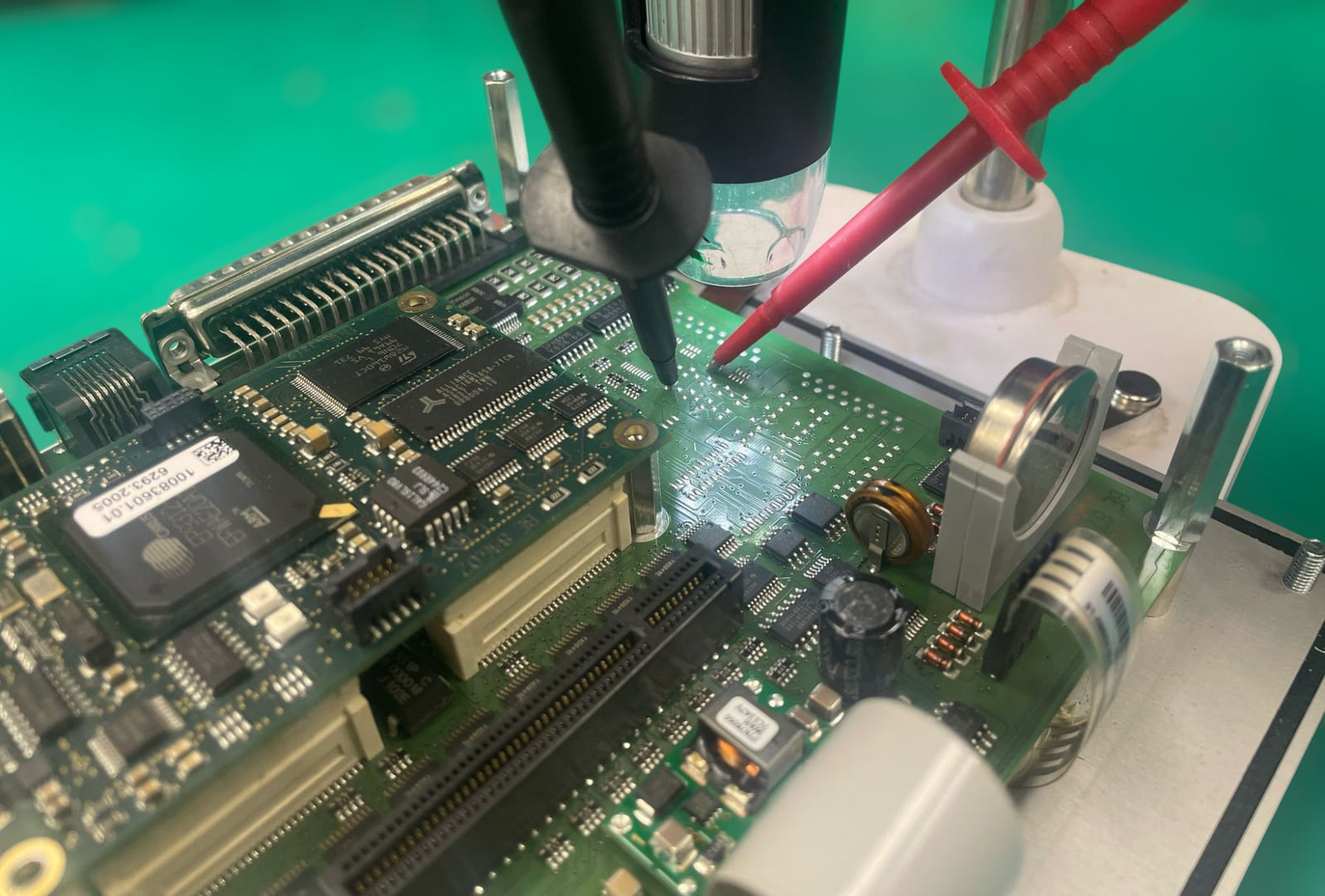
The whole backlog was collected and assessed as a batch. Working through it with proper optical and electronic diagnostics surfaced a pattern of faults the earlier assessment had missed entirely: sensor misalignment, power supply section failures, and degraded internal components that had drifted out of tolerance rather than failing outright.
That last category is the one that gets units condemned. A scanner with a degraded emitter still powers up and still reads — just not reliably enough, and not in a way a quick bench check will show.
- Diagnostic testing with instrumentation matched to precision optical electronics, rather than a general-purpose bench check
- Component-level repair: faulty parts replaced, sensors recalibrated, optical alignment restored
- Every recovered unit validated against a reference code set to confirm it met original manufacturer specification
- Recurring failure modes identified and fed back as preventative maintenance guidance
The outcome
Capital spend avoided, and a repeatable route established
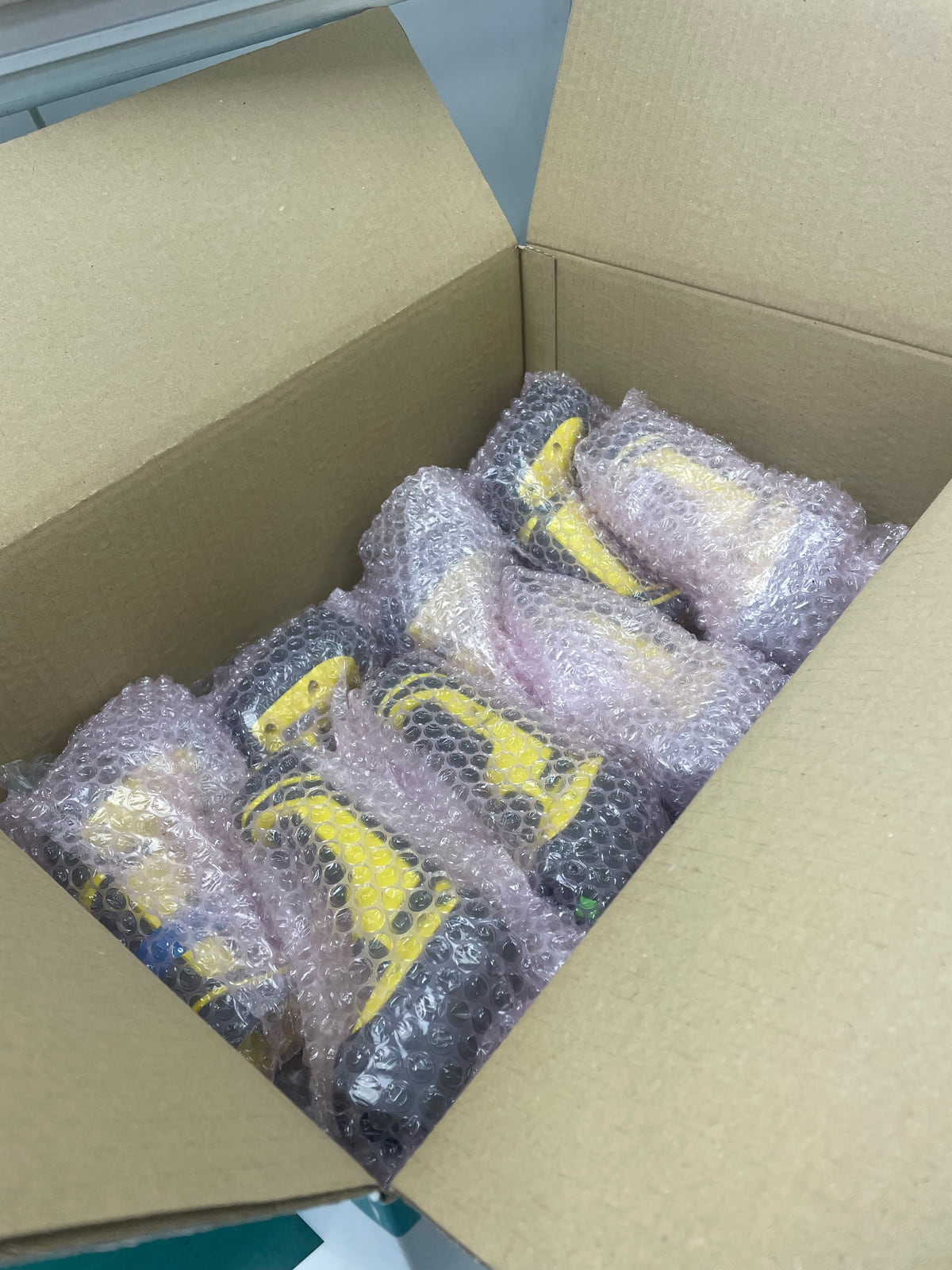
A large proportion of the condemned backlog went back into service. The immediate saving was the replacement cost avoided, but the more useful outcome was procedural: the site now has a defined route for failed scanners that does not start with a purchase order.
The failure trend data also changed the conversation. Knowing which units fail and how tells you where to look on site, rather than treating each failure as an isolated event.
The takeaway
A previous provider calling something unrepairable is a weak signal. It usually means they had no economic route to the fault, not that the fault could not be fixed.
About this case study. The repair work described here was carried out by our vetted repair partners, not by Site Support Group directly. We hold the customer relationship and coordinate the job end to end, from collection through to the unit going back on your shelf.
We do not name customers in our marketing, which is normal practice on this kind of work — the equipment, the fault and the result are described in full.
Recognise the problem?
If any of this sounds like your site, it is worth a conversation. Most of these started with someone asking whether a shelf of dead units was worth a second look.
More case studies
HMI & PLC
Restoring HMIs the market had given up on
Operator interfaces widely labelled unrepairable were recovered at component level, avoiding a forced control system upgrade.
Read the case study →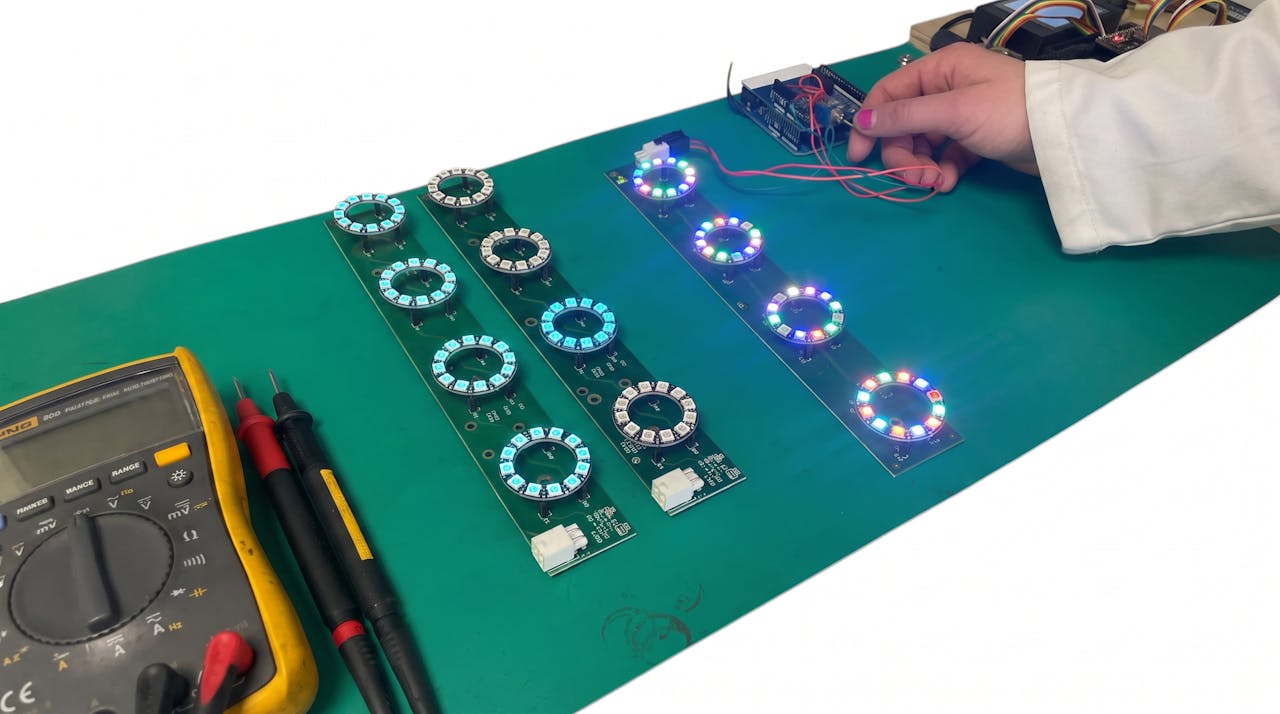
Reliability
£291,000 a year found in the fault data
High-volume repair data revealed the real cause of recurring failures was not hardware at all — and fixing it removed the cost.
Read the case study →
Bespoke R&D
A test rig that made divert switches worth repairing
High-speed sortation divert switches were being replaced wholesale because nothing existed to test them. So a rig was built.
Read the case study →