
Case study · Pneumatic
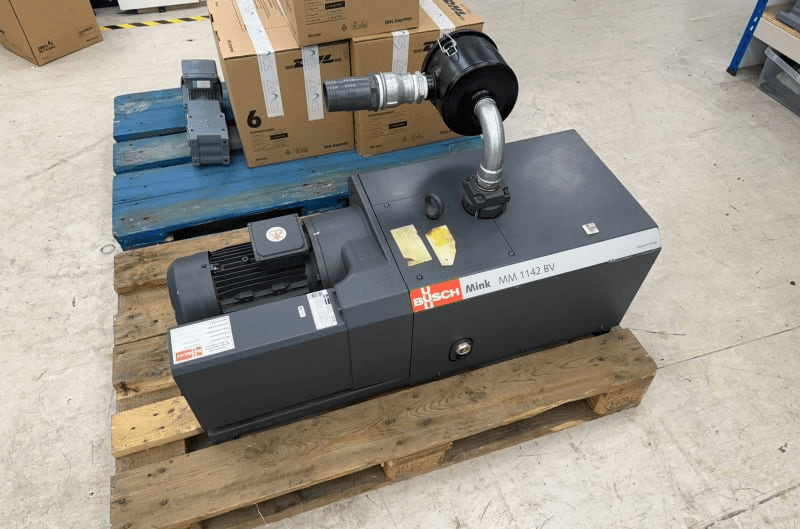
Bringing a claw vacuum pump back to peak
An oil-free rotary claw vacuum pump arrived with falling airflow, bearing wear and chamber contamination. A full overhaul restored it.
- Packaging and material handling Sector
The challenge
Airflow down, and getting worse
The Busch Mink MM 1142 BV is an oil-free rotary claw vacuum pump used widely in packaging, material handling and automated warehousing, and valued for needing very little attention. This one arrived showing reduced airflow efficiency, with clear evidence of bearing wear and contamination in the chamber.
That combination only goes one way. Left alone, efficiency keeps falling, the bearings eventually take the rotors with them, and a routine overhaul turns into a replacement pump plus unplanned downtime.
What was done
A complete overhaul, not a patch
The pump was stripped down completely and the internals deep cleaned to remove the contamination before any parts went back. Reassembly then addressed every wear item rather than only the ones that had already failed.
Rotor clearances were reset, which is the step that actually restores efficiency — new bearings alone will quieten a pump without bringing its performance back.
- Full strip-down and deep clean of all internal components
- Worn bearings and seals replaced
- Rotor clearance adjusted to restore optimal performance
- Oil drained and replaced, filters cleaned
- Functional testing to validate airflow efficiency before return
The outcome
Back in service at full efficiency
The pump was returned in peak condition with airflow efficiency restored and verified by test rather than assumed. New seals and the removal of contamination also reduced the risk of a repeat failure.
Because performance had been confirmed on test, the unit could be redeployed immediately instead of being run cautiously to see whether the overhaul had worked.
The takeaway
Overhaul at the first sign of falling efficiency and you keep the pump. Wait for the alarm and you are usually buying a new one.
About this case study. The repair work described here was carried out by our vetted repair partners, not by Site Support Group directly. We hold the customer relationship and coordinate the job end to end, from collection through to the unit going back on your shelf.
We do not name customers in our marketing, which is normal practice on this kind of work — the equipment, the fault and the result are described in full.
Recognise the problem?
If any of this sounds like your site, it is worth a conversation. Most of these started with someone asking whether a shelf of dead units was worth a second look.
More case studies
Scanners
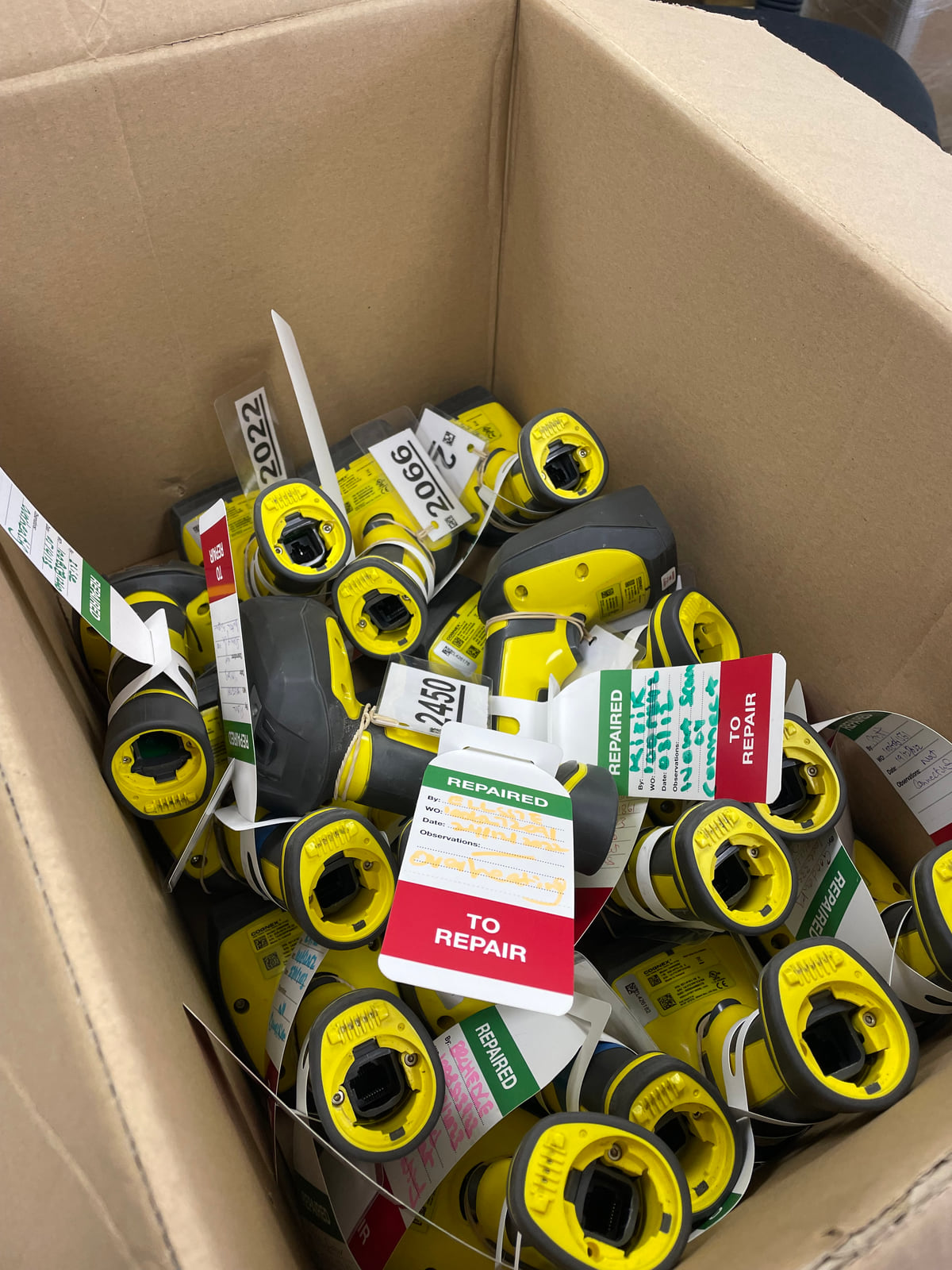
Recovering a scanner fleet written off as scrap
A backlog of industrial barcode scanners, condemned by a previous provider, was assessed and returned to service instead of replaced.
Read the case study →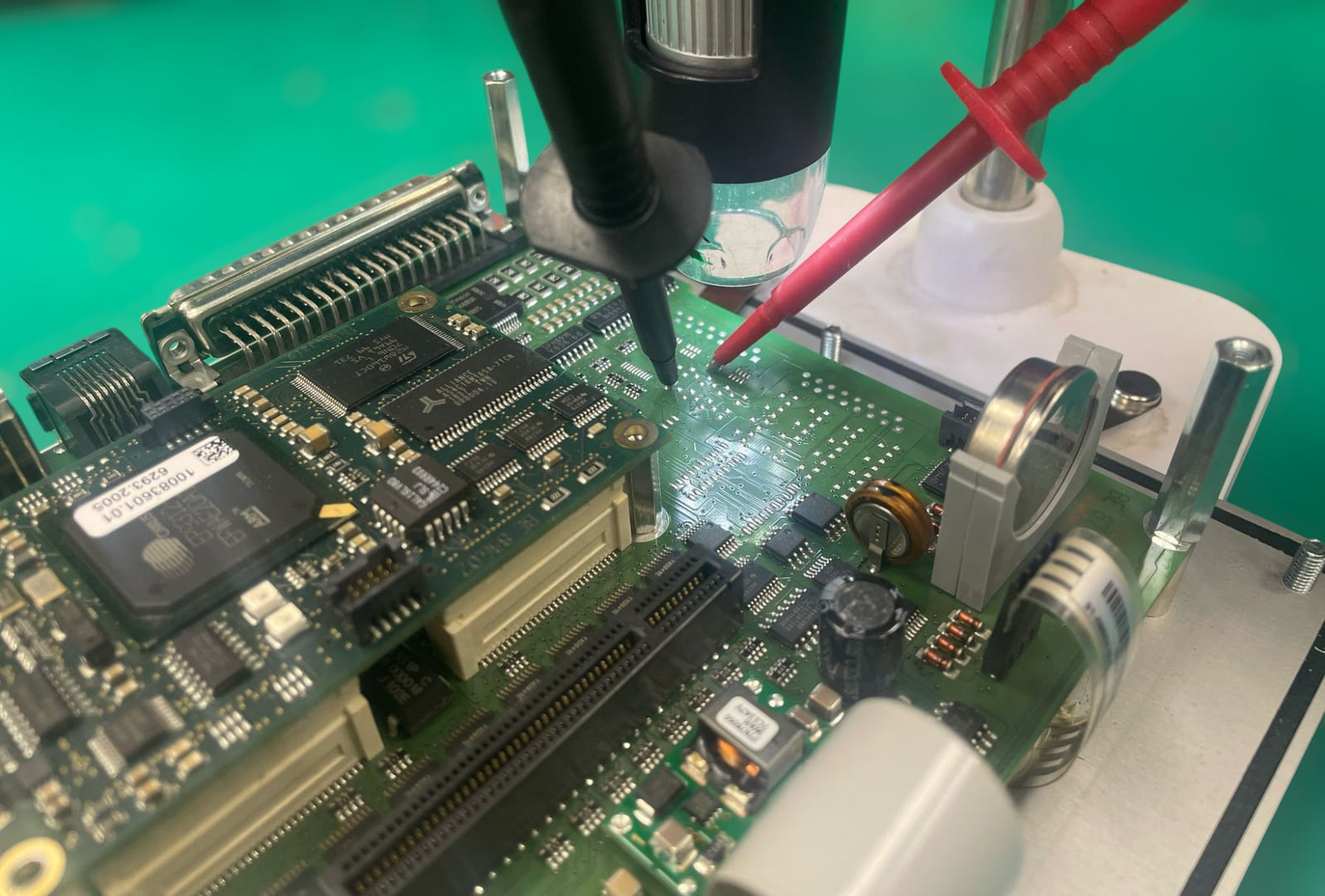
HMI & PLC
Restoring HMIs the market had given up on
Operator interfaces widely labelled unrepairable were recovered at component level, avoiding a forced control system upgrade.
Read the case study →
Reliability
£291,000 a year found in the fault data
High-volume repair data revealed the real cause of recurring failures was not hardware at all — and fixing it removed the cost.
Read the case study →